
Free shipping on orders over $50

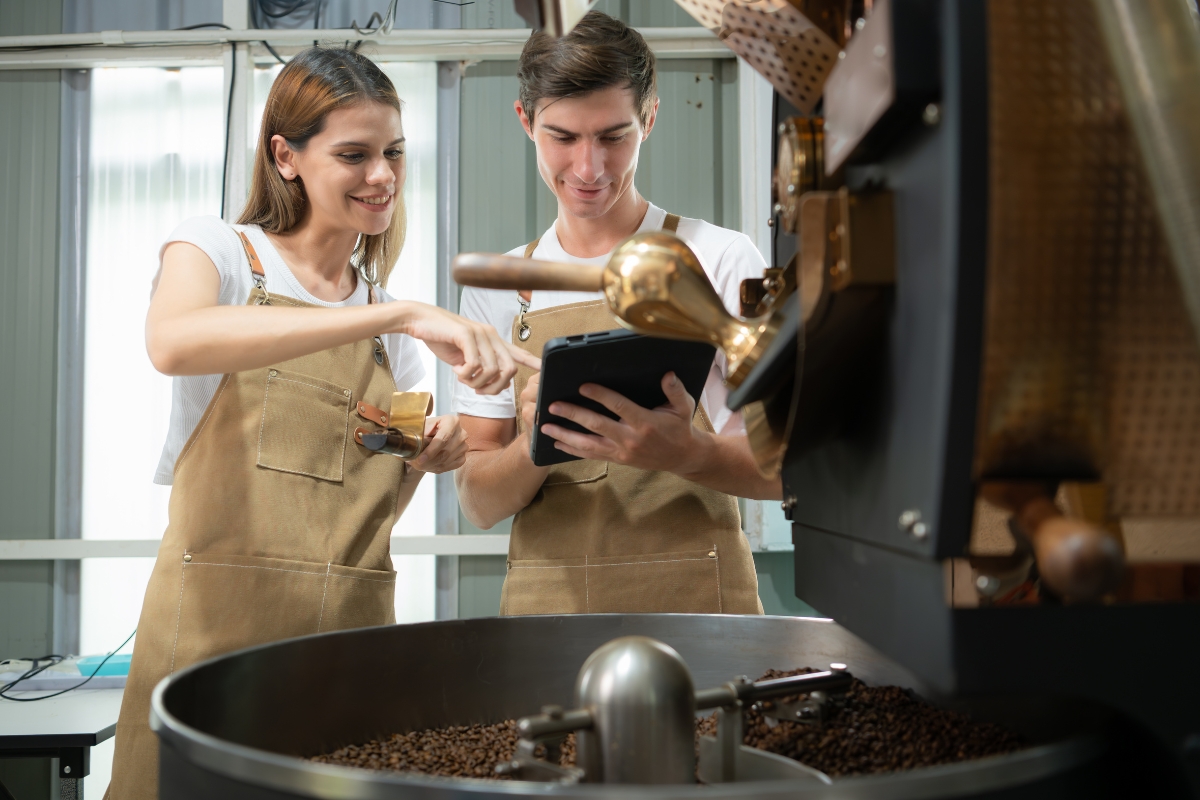
What Is an Electric Coffee Roaster and How Does It Work?
Coffee roasting is where science, technology, and craftsmanship come together. Green coffee beans may look simple, but transforming them into aromatic, flavorful coffee requires carefully controlled heat, time, airflow, and attention to detail. One technology changing the way coffee is roasted is the electric coffee roaster.
Unlike traditional gas-powered roasting equipment, an electric coffee roaster uses electrical heating elements to generate and control heat. This approach can provide precise temperature management while eliminating the need to burn gas as the primary heat source. For specialty coffee roasters, electric roasting can offer a modern way to focus on consistency, control, and sustainability.
But how exactly does an electric coffee roaster work, and what makes it different from conventional roasting equipment? Let’s take a closer look.
What Is an Electric Coffee Roaster?
An electric coffee roaster is a machine designed to roast green coffee beans using electricity rather than a gas flame. At its core, the machine applies controlled heat to green beans while managing factors such as airflow, temperature, and roasting time.
During roasting, green coffee undergoes significant physical and chemical changes. Heat removes moisture from the beans and triggers reactions that create the familiar brown color, aroma, and complex flavors associated with roasted coffee. The Specialty Coffee Association explains that roasting can reach temperatures around 250°C and initiates reactions such as the Maillard reaction, which contributes to coffee’s color and flavor.
Electric roasting technology allows roasters to regulate heat through electrical heating elements. Depending on the design of the machine, heat can be transferred through a combination of conduction and convection, or primarily through heated air.
This gives the roaster control over the progression of each batch and makes it possible to develop specific roast profiles for different coffee beans.
How Does an Electric Coffee Roaster Work?
The basic process begins with green coffee beans being placed into a preheated roasting chamber. The electric heating system then supplies controlled heat while the beans move continuously. Airflow helps distribute heat, remove moisture and roasting byproducts, and influence how quickly the beans develop.
The roaster monitors temperature throughout the process and adjusts the heat and airflow according to the desired roast profile. As the beans heat up, they gradually change from green to yellow, then light brown and eventually darker brown, depending on the intended roast level.
The beans eventually reach a stage known as first crack. This is a key point in roasting when pressure inside the beans causes them to crack audibly. After this stage, the roaster carefully manages the development period before stopping the roast at the desired point.
Once the target roast level is reached, the beans are removed from the roasting chamber and rapidly cooled. Quick cooling helps stop further roasting and preserves the intended flavor profile.
Why Choose an Electric Coffee Roaster in Washington, D.C.?
For a modern specialty coffee business, roasting technology can influence more than just production. It can also reflect a company’s approach to quality, innovation, and sustainability.
GIGIS Coffee Roasters uses an all-electric roasting setup to roast coffee in small batches in Washington, D.C. If you are interested in learning more about the approach behind an electric coffee roaster in Washington, D.C., GIGIS provides a closer look at its roasting philosophy and equipment.
The company’s electric roasting approach is built around precision and control. GIGIS describes its setup as 100% electric and zero emissions, while its small-batch process allows attention to be given to each roast.
For customers, the benefit is ultimately found in the cup. Carefully controlled roasting can help bring out the characteristics that make each coffee unique, from sweetness and acidity to body and aroma.
Electric vs. Gas Coffee Roasters: What’s the Difference?
The most obvious difference between electric and gas coffee roasters is the way heat is generated.
Traditional gas roasters use a burner powered by natural gas or another fuel source. Electric models use heating elements instead. However, the differences extend beyond the heat source.
Electric systems can provide highly controlled heat adjustments, which can be useful when developing and repeating roast profiles. They also eliminate on-site gas combustion as the primary heating method. However, not every electric roaster is automatically ventless. Equipment requirements vary by design, and some electric machines still require appropriate exhaust and ventilation systems.
For a small-batch roastery, the choice between technologies depends on factors such as production volume, facility requirements, equipment design, energy considerations, and the desired level of control.
Rather than assuming one system is right for every roaster, it is important to consider how the equipment fits the company’s roasting goals.
The Role of Temperature Control in Electric Roasting
Temperature is one of the most important variables in coffee roasting. Even relatively small changes during a roast can influence the final flavor.
An electric heating system can allow roasters to make controlled adjustments throughout the roasting process. The goal is not simply to make the beans hotter. Instead, the roaster needs to manage how quickly the beans gain heat at different stages.
Roasters may track the bean temperature and rate of rise while adjusting heat and airflow. These measurements help create repeatable roast profiles.
Consistency is particularly important for specialty coffee. If a coffee tastes excellent in one batch but noticeably different in the next, customers may struggle to know what to expect. Repeatable roasting helps create a more dependable experience.
What Happens to Coffee Beans During Roasting?
Roasting is essentially a controlled transformation of green coffee.
Green beans contain moisture and a variety of compounds that contribute to their potential flavor. As the beans heat, moisture is driven out and the structure of the beans changes. Chemical reactions then create many of the aromas, flavors, and colors associated with roasted coffee.
The Maillard reaction is one important part of this transformation. It occurs when heat causes reactions between amino acids and sugars, contributing to the development of brown color and complex aromas.
The beans also expand and eventually reach first crack as internal pressure increases. After first crack, the roaster has another opportunity to shape the final characteristics of the coffee through the development stage.
This is why roasting is more than simply heating beans until they turn brown. The timing, temperature, airflow, and rate of heat application all matter.
Why Small-Batch Electric Roasting Matters
Small-batch roasting allows a roaster to pay close attention to individual batches instead of treating coffee as a mass-produced commodity.
Different origins, processing methods, bean densities, and moisture levels can respond differently to heat. A roasting profile that works well for one coffee may not produce the same results with another.
GIGIS embraces this small-batch approach while using an all-electric roasting system. The company describes its coffee as roasted in-house in small batches and emphasizes precision as an important part of its process.
For coffee drinkers, this approach can make the roasting process feel more intentional. Each batch becomes an opportunity to develop the characteristics of the beans rather than simply following a one-size-fits-all process.
Is Electric Coffee Roasting More Sustainable?
Sustainability is another reason electric roasting has attracted attention in the coffee industry. Because electric roasters use electrical heating rather than gas combustion for their primary heat source, they can eliminate on-site combustion associated with gas heating.
However, the overall environmental impact of electric roasting depends on several factors, including the machine’s energy efficiency and the source of the electricity used to power it. It is therefore more accurate to consider electric roasting as one part of a broader sustainability strategy rather than treating electricity alone as a guarantee of environmental benefits.
GIGIS has made electric roasting a central part of its identity. Its website describes the roastery as a zero-emissions, small-batch operation and highlights its use of an all-electric roaster.
Electric Roasting Combines Technology and Craft
Coffee roasting has always involved a balance between technology and human judgment. Modern equipment can provide detailed information about temperature, airflow, and roast progression, but the roaster still needs to understand how those variables affect the coffee.
This combination is especially relevant to GIGIS Coffee Roasters, whose brand connects coffee with science, technology, engineering, and mathematics. The company describes roasting as a process where precision and creativity work together.
An electric roaster is therefore more than a replacement for a gas burner. It is a tool that can help a roaster manage heat and repeat specific roasting approaches while exploring the characteristics of different coffees.
Learn More About Coffee Roasting
Understanding coffee roasting can make your next cup more interesting. The beans in your grinder have already gone through a carefully managed transformation involving heat, moisture, chemistry, airflow, and timing.
For readers interested in the science behind specialty coffee, the Specialty Coffee Association offers educational resources covering coffee roasting, sensory skills, green coffee, and other areas of specialty coffee.
At GIGIS, this connection between science and coffee is part of the company’s mission. Its Washington, D.C., roastery uses an electric system to roast coffee in small batches, bringing technology and craftsmanship together in every batch.
Experience Small-Batch Coffee Roasted in Washington, D.C.
An electric coffee roaster uses controlled electrical heat to transform green coffee beans into the aromatic roasted beans used for brewing. Through careful management of temperature, airflow, time, and development, roasters can create repeatable profiles designed to highlight the characteristics of each coffee.
For GIGIS Coffee Roasters, electric roasting is also part of a broader commitment to innovation and thoughtful coffee production. Its small-batch, electric roasting approach reflects the company’s belief that great coffee can combine craftsmanship, technology, and sustainability.
Whether you’re a longtime specialty coffee enthusiast or simply curious about what happens before your coffee reaches your cup, understanding the roasting process gives you a new appreciation for every brew. And when that coffee is roasted locally in small batches, the journey from green bean to finished cup becomes even more meaningful.
Frequently Asked Questions
1. What is an electric coffee roaster?
An electric coffee roaster is a machine that uses electrical heating elements instead of a gas burner to roast green coffee beans. It controls heat and, depending on the equipment, airflow and other variables to develop specific roast profiles.
2. How does an electric coffee roaster work?
An electric roaster heats green coffee beans inside a roasting chamber while moving them and exposing them to controlled heat. The roaster manages temperature, airflow, and time until the desired roast level is reached. The beans are then rapidly cooled to stop further development.
3. Is an electric coffee roaster better than a gas roaster?
Neither technology is universally better. The right choice depends on production needs, equipment design, facility requirements, energy considerations, and roasting goals. Electric systems can offer precise heat control and eliminate gas combustion as the primary heat source.
4. Does electric roasting affect coffee flavor?
The heat source is only one factor affecting flavor. Roast profile, temperature, airflow, time, green coffee characteristics, and development all influence the final cup. Careful control of these variables can help a roaster develop consistent flavor.
5. Why does GIGIS Coffee Roasters use an electric roaster?
GIGIS uses an all-electric roasting setup as part of its small-batch, zero-emissions roasting approach in Washington, D.C. The company emphasizes precision, technology, and control as key parts of its coffee-roasting philosophy.
