Free shipping on orders over $50
Why does freshly roasted coffee taste better than grocery store brands?
Opening a bag of coffee should fill your kitchen with a rich, complex aroma that hints at the flavors waiting in your cup. For many people, the morning routine involves a quick scoop from a large canister purchased at a local supermarket. While convenient, that bag often sits on a shelf for weeks or months before it ever reaches your pantry. This delay creates a significant gap between what coffee can be and what most people actually drink. Freshness is not just a marketing term; it is a chemical reality that determines whether your coffee tastes vibrant and sweet or flat and bitter.
The journey from a green coffee seed to a roasted bean involves hundreds of volatile organic compounds. These compounds are responsible for the notes of blueberry, chocolate, or caramel that specialty roasters often describe on their packaging. Unfortunately, these flavors are delicate and begin to dissipate the moment the roasting process ends. Grocery store brands prioritize shelf life and mass distribution, often sacrificing these intricate flavor profiles for a more uniform, albeit duller, product.
The Chemistry of Flavor Loss and Oxidation
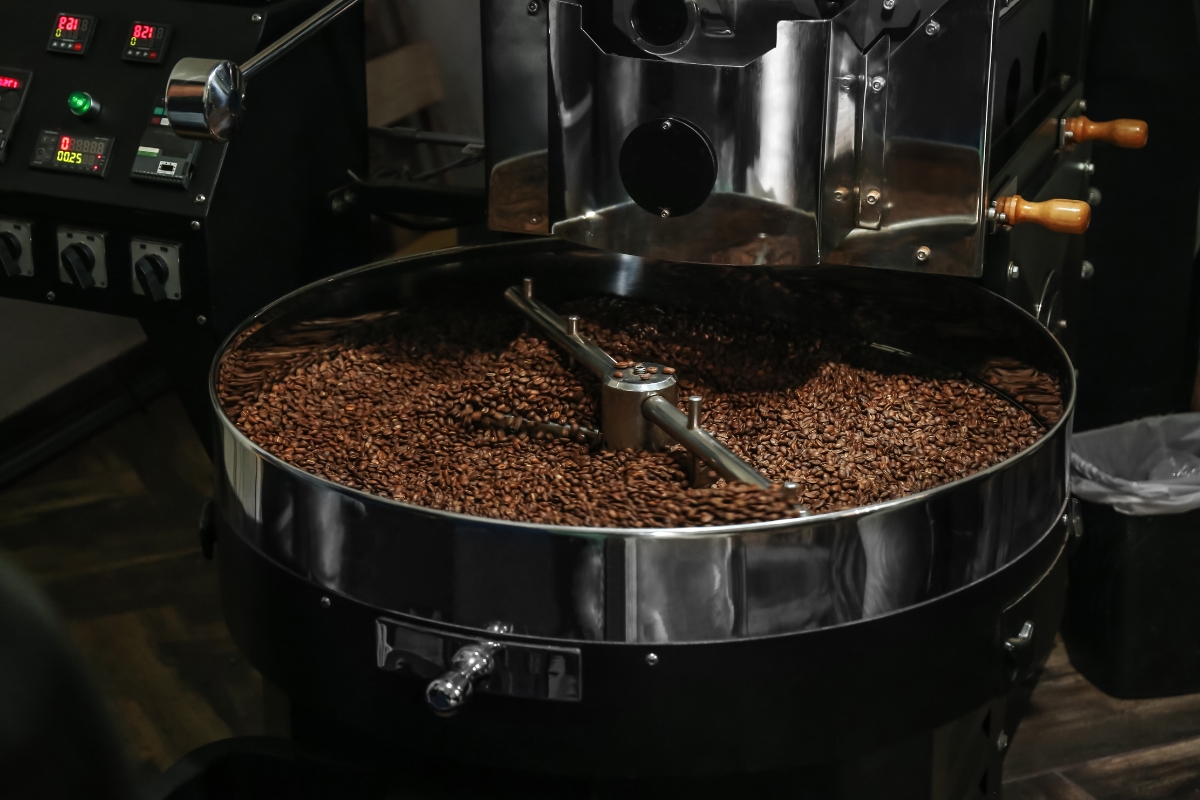
Oxygen is the primary enemy of roasted coffee. Once a bean is roasted, its internal structure becomes porous, allowing oxygen to seep in and strip away the aromatic oils. This process, called oxidation, is the same reaction that causes an apple to turn brown or oil to go rancid. In a mass-market setting, coffee is roasted in enormous batches, packaged, and shipped across the country. By the time it arrives in a retail aisle, it has likely already lost its peak flavor potential.
Small-batch roasters focus on moving beans from the roaster to the consumer as quickly as possible. This ensures that the bean’s cellular structure still holds onto those precious gases and oils. Visiting Gigi’s Coffee Roasters shop lets you access beans handled with care and roasted to highlight their origin. At Gigi’s Coffee Roasters, selecting beans from the shop means you are getting a product that hasn’t spent its best days in a warehouse or on a delivery truck.
Degassing and the Peak Flavor Window
Fresh coffee requires a short resting period after roasting, a process known as degassing. During the first few days, carbon dioxide escapes the beans rapidly. If you brew coffee that is only minutes old, the escaping gas can actually block water from fully extracting the flavor. Most specialty coffees hit their absolute peak between four and fourteen days after the roast date. This is the sweet spot where the gases have calmed down, but the aromatic oils are still at their highest concentration.
Grocery store brands rarely provide a “roasted on” date. Instead, they offer a “best by” date that can be a year or more in the future. While the coffee is still safe to drink at that point, the flavor has long since vanished. By the time that bag reaches your home, it has likely been “stale” for months. Freshly roasted beans provide a sensory experience that mass-market options simply cannot replicate because they lack the biological vitality of a recent roast.
The Difference in Sourcing and Quality Control
Beyond the roast timeline, the quality of the green beans themselves plays a massive role in the final taste. Large commercial brands often buy “commodity-grade” coffee. These beans are purchased in bulk with a focus on price rather than specific flavor characteristics. They are often roasted quite dark to hide defects or inconsistencies in the crop. This results in a “burnt” or “charred” flavor that many people have come to associate with “strong” coffee.
Gigi’s Coffee Roasters sources high-quality specialty beans, often from specific farms or small cooperatives. These beans are graded for their lack of defects and their unique taste profiles. When a roaster knows exactly where their beans come from, they can adjust the roasting temperature and duration to bring out the best in that specific harvest. This level of attention to detail ensures that your cup of coffee has a clean finish and a natural sweetness that doesn’t require mounds of sugar or cream to be palatable.
Proper Storage for Lasting Freshness
Even the best beans will lose their spark if they aren’t stored correctly. To maintain the quality of your coffee at home, keep it away from the “four horsemen” of staling: air, light, heat, and moisture. This means avoiding clear glass jars or keeping your coffee in the freezer, where moisture can condense on the beans, ruining the oils. A cool, dark pantry in an airtight, opaque container is the best environment for your supply.
If you are a resident, you have the advantage of buying smaller quantities more frequently. Purchasing only what you can drink in a week or two ensures that every cup is as fresh as the last. This local, small-scale approach to coffee consumption mimics the traditional way coffee was enjoyed before industrial food systems took over.
Visit Gigi’s Coffee Roasters today to browse our current selection of small-batch beans. Upgrade your morning ritual with coffee that is roasted with passion and delivered at the peak of flavor.
People also ask
Should I buy whole bean or ground coffee?
Always choose whole beans if possible. Once coffee is ground, the surface area increases exponentially, causing it to go stale within minutes. Grinding your beans immediately before brewing is the single best way to preserve the flavor of a fresh roast.
Why does some coffee taste sour?
Sourness is often a sign of under-extraction, meaning the water didn’t extract enough flavor. However, if the beans are freshly roasted and light-bodied, that “brightness” might be the natural acidity of high-altitude beans, which many coffee lovers enjoy.
Is organic coffee better than non-organic?
Organic certification ensures the beans were grown without synthetic pesticides. While this is better for the environment and farm workers, the “taste” depends more on the roasting process and the quality of the specific harvest than the organic label itself.
Does a dark roast have more caffeine?
Actually, light roasts typically have slightly more caffeine by volume. The roasting process burns off some of the bean’s caffeine and reduces its physical weight. Dark roasts are bolder in flavor but not necessarily “stronger” in terms of caffeine.
How can I tell if my beans are fresh?
Look for a “Roasted On” date on the bag. If the beans look slightly oily (for medium-dark roasts) and have a strong, pleasant aroma, they are likely fresh. If they look dull and smell like cardboard or old nuts, they are stale.