Free shipping on orders over $50

How should you store Gigi’s Coffee Roasters beans to maintain maximum flavor?
It’s truly frustrating to find your coffee has gone bad. You spend the time finding a quality small-batch roaster, the bag arrives, the first cup is everything you hoped for, and then, two weeks later, the same beans taste flat and lifeless. Nothing changed in your brewing method. What changed was the beans.
Good coffee storage isn’t complicated, but it’s also not optional. The flavor inside a freshly roasted bean is genuinely fragile, and the gap between a beautiful cup and a dull one often comes down to where you kept the bag between uses. Here’s what actually matters and why.
The Four Things Destroying Your Coffee Right Now
Before getting into solutions, it helps to understand the problem. Coffee’s enemies are air, moisture, heat, and light. Each of these four factors can strip away the aromatic oils, volatile compounds, and CO₂ that make freshly roasted coffee taste the way it does. The real issue is that most kitchens contain all four.
The counter near your coffee maker gets afternoon sun. The cabinet above your stove stays warm. The clear glass jar on your shelf looks nice, but it lets in light all day. Even leaving the original bag open and loosely folded shut after each use exposes your beans to enough air to flatten their flavor over the course of a week.
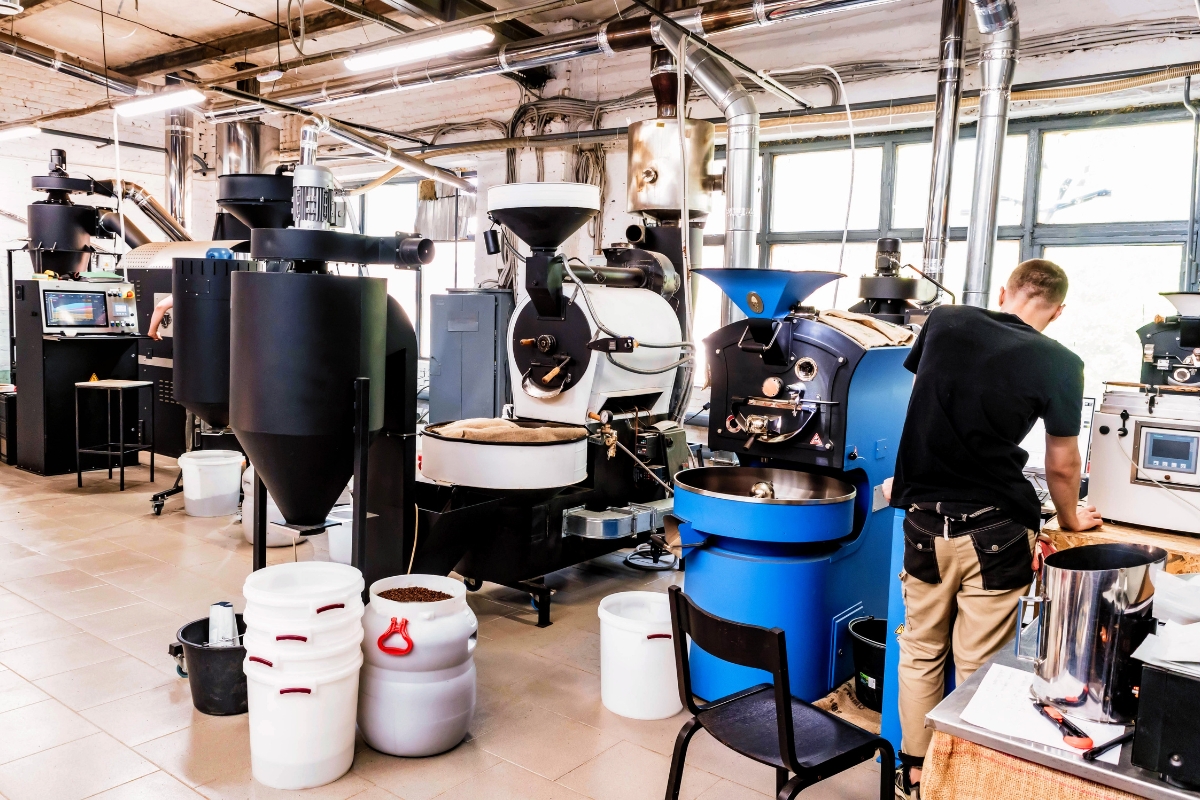
Every bag from the Gigi’s Coffee Roasters is roasted to order in small batches – zero-emissions, precision-roasted in Washington, D.C., which means what arrives at your door is already at or near peak freshness. How long it stays that way depends entirely on how you store it.
The Container Question
Roasted coffee beans are porous and hygroscopic – they absorb moisture, odors, and even gases from the air. Without proper storage, beans can go stale within days.
The right container does three things: keeps air and light out, and doesn’t introduce any competing odors. That rules out clear glass jars, loosely sealed bags, and anything that previously held strong-smelling food.
Opaque materials like dark glass, ceramic, or stainless steel block out light, which helps preserve coffee. Pair that with an airtight seal to keep out oxygen and moisture.
If you want to go further, vacuum-sealed canisters actively remove air from around the beans rather than just sealing it off. Containers like the Fellow Atmos use a built-in piston to force out excess air each time you seal them. That extra step makes a real difference for beans you’re working through over two to three weeks.
Where You Store Matters as Much as What You Store It In
The container is half the equation. Location is the other half.
Avoid cabinets near the oven or dishwasher, as well as any areas that get strong afternoon sun – all can get too warm. Heat accelerates every chemical reaction that makes coffee go stale, and temperature fluctuations are just as damaging as sustained heat because they cause the bean’s oils to migrate and degrade faster.
The ideal spot is a cool, dark pantry shelf – somewhere that stays consistently between 60 and 70°F and doesn’t see much light or humidity. Most kitchen pantries qualify. Most kitchen countertops do not.
One thing to avoid, even in correct storage conditions: always store beans whole and grind right before brewing. Ground coffee has significantly more surface area exposed to air, which speeds up staling. Pre-grinding a week’s worth of coffee is one of the single biggest flavor mistakes you can make with quality beans.
The Refrigerator: A Firm No
This is probably the most common coffee storage myth still circulating. The refrigerator feels like an obvious choice – it’s cold, it’s dark, it preserves food. But coffee behaves very differently from most foods you keep chilled.
Every time you take coffee out of the fridge, moisture forms on the beans. This moisture destroys flavor and introduces the risk of mold growth. Refrigerators also contain strong-smelling foods – coffee absorbs these odors almost instantly. Garlic, leftovers, cheese – your coffee will pick up all of it, and no brewing technique will save a bean that smells like last night’s dinner.
If you need longer-term storage for a larger quantity than you’ll use in a few weeks, the freezer is the more defensible option, but only under specific conditions.
Freezing: Only When Done Right
If you buy coffee beans in bulk or have multiple bags that you can’t possibly finish in two weeks, the freezer is your next best option. But the rules are strict.
Portion your beans before freezing so you never have to thaw them and put them back in the freezer. Thaw once, use completely, and don’t refreeze. Taking frozen coffee beans in and out of the freezer promotes condensation, which introduces moisture directly to the bean surface.
Use vacuum-sealed bags or airtight containers to store the coffee. And let frozen beans come fully to room temperature before opening the container, so that any condensation forms on the outside rather than on the beans themselves.
For everyday use, though, the freezer is overkill and introduces too many variables. The pantry approach is simpler and more reliable for most people.
How Long Do Freshly Roasted Beans Actually Last?
Even under ideal conditions, whole beans from Gigi’s Coffee Roasters don’t stay at peak flavor indefinitely. Specialty coffee peaks within two to four weeks of roasting. After that, flavor doesn’t fall off a cliff – it gradually loses brightness, sweetness, and complexity as oxidation continues its quiet work.
This is why buying in smaller quantities more often is genuinely better than buying a large bag to “save trips.” Coffee begins to lose freshness almost immediately after roasting. Try to buy smaller batches more frequently – enough for one or two weeks.
For D.C. locals and customers shipping nationwide, Gigi’s Coffee Roasters roasts to order and ships from Ward 7 at 4916 Central Avenue NE, Washington, D.C., which means when your bag arrives, you’re starting from a genuinely fresh baseline. Free shipping on orders over $50 makes the “buy more often in smaller amounts” approach easy to put into practice.
Don’t let good coffee go to waste with careless storage. Order from the shop of Gigi’s Coffee Roasters, put these habits into practice, and taste the difference a well-kept bean makes from the very first cup.
People Also Ask
Can I store coffee beans in their original bag after opening?
Yes, if the bag has a one-way valve and a resealable top. Roll it down tightly and seal it after each use. For best results, transfer beans to an airtight, opaque container after opening to minimize exposure to air and light.
Does whole bean coffee really last longer than ground coffee?
Significantly longer. Grinding dramatically increases surface area exposed to oxygen, accelerating staleness within hours. Whole beans stored properly stay at peak flavor for two to four weeks; pre-ground coffee can go flat in days.
What’s the best time to grind coffee relative to brewing?
Grind immediately before brewing – ideally within minutes. Once ground, coffee rapidly loses its aromatic compounds. This single habit has more impact on cup quality than almost any other variable in the brewing process.
How do I know if my coffee beans have gone stale?
The most reliable way is smell. Fresh beans have a vibrant, distinct aroma that matches their flavor notes. Stale beans smell flat, musty, or vaguely rancid. Visually, stale and fresh beans look nearly identical, so smell is your best indicator.
Should I buy a vacuum canister or is an airtight container enough?
For most home brewers who go through a bag in one to two weeks, a quality airtight, opaque container is sufficient. If you brew slowly or buy in larger quantities, a vacuum-sealed canister that actively removes air will noticeably extend peak flavor.